
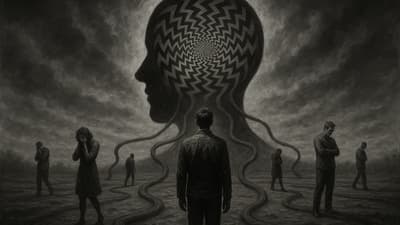
When life throws something unexpected at us, our reactions can be surprising. We often don’t realize how much our past affects our present feelings. These patterns of reactions are not just random; they are deeply rooted in our psychology.
Advertisement
It’s really interesting to see how similar our experiences are. Whether it’s joy, anger, or sadness, knowing these emotional patterns can lead to better understanding ourselves. But we often overlook this. Isn’t it curious?
Recognizing Patterns
When we recognize these patterns, life can feel a bit easier. Think about when someone cuts you off in traffic—your first reaction might be anger. Recognizing it helps us not to act on it. Instead, we can choose a calmer path.
It’s like having a toolbox for your feelings. You don't just react; you think about what you really want to say or do. This can lead to much healthier relationships.
Advertisement
Realizing your emotional patterns is the first step toward growth. We can’t control everything, but we can control how we react. This knowledge, when applied, can shape better decision-making.
Types of Reactions
Diving deeper, there are a few types of reactions we often see. The most common are emotional responses, reflex actions, and logical reactions. Each of these plays a role in how we navigate the world.
Understanding them helps us to take action more wisely.
Here are some reactions we often see:
- Emotional Responses - These are driven by our feelings such as happiness or anger. They can be spontaneous and lead to impulsive decisions if not managed.
- Reflex Actions - These are instinctive and often protective. For example, flinching at a loud sound. They are immediate and don't feel like choices at all.
- Logical Reactions - These involve thinking things through. When we take a moment to pause before acting, this is logic in play. It can help diffuse many situations.
By learning about how our reactions work, we take steps towards a more empowered version of ourselves.
The Journey of Self-Discovery
Advertisement
Self-awareness is a journey, not a destination. As we uncover these patterns, we become more attuned to our feelings and choices. It’s like peeling layers of an onion.
Every time we learn something new, we grow. We start to recognize triggers and patterns. This makes us more resilient and understanding towards others too.
Conclusion
In conclusion, recognizing and understanding our reactions is vital for living a peaceful life. The patterns we see are not just mind tricks; they are part of what makes us human.
So next time you feel a strong reaction, take a moment. What is it teaching you? That awareness could change everything.
Advertisement